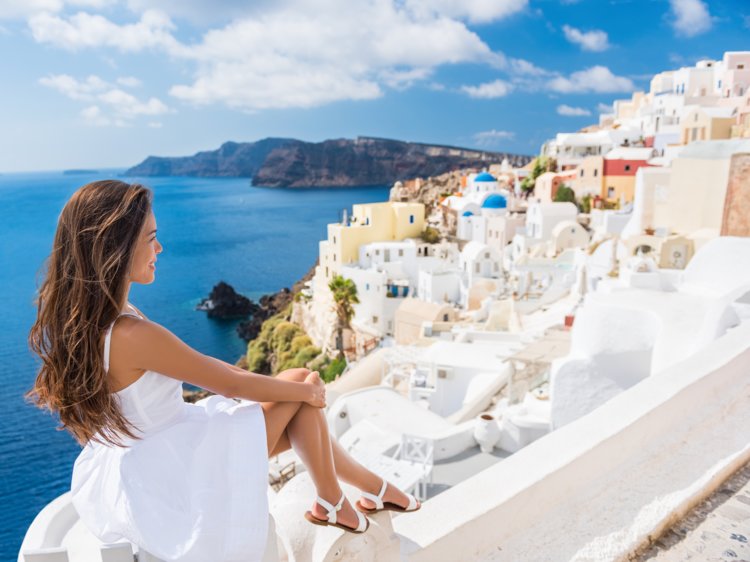


A vacation is more than just time away from work. It is an opportunity to recharge the mind, strengthen relationships, explore new places, and return with renewed energy. Whether it involves traveling to a distant destination or simply stepping away from daily routines, a well-planned vacation can positively influence both mental and physical well-being.
This guide explains the importance of vacations, how to plan them effectively, popular types of vacations to consider, and practical tips to make every trip memorable and stress-free.
Why Vacations Are Important for Everyone
Taking a vacation is not simply a luxury. It is essential for maintaining balance between personal life and professional responsibilities.
Some major benefits include:
- Reducing stress levels by stepping away from routine pressures
- Improving productivity after returning refreshed
- Strengthening relationships through shared experiences
- Encouraging creativity by exposing the mind to new environments
- Supporting physical health through relaxation and movement
Even short vacations can significantly improve mood and motivation.
Types of Vacations You Can Choose From
Choosing the right type of vacation depends on personal interests, budget, and available time.
Beach Vacations
Beach vacations are ideal for relaxation and recreation. Travelers can enjoy swimming, sunbathing, and water sports while appreciating peaceful coastal scenery.
Popular activities include:
- snorkeling
- surfing
- boat rides
- sunset walks
Mountain Vacations
Mountain destinations offer calm surroundings and fresh air. They are perfect for people who enjoy nature and outdoor activities.
Common experiences include:
- hiking
- camping
- photography
- wildlife observation
Cultural Vacations
These vacations focus on learning about history, traditions, and local lifestyles. Visiting museums, heritage sites, and traditional markets helps travelers gain deeper understanding of different cultures.
Adventure Vacations
Adventure trips are suitable for thrill seekers looking for excitement. Activities may include trekking, rafting, zip lining, or exploring remote landscapes.
Staycations
A staycation involves spending vacation time at home or nearby locations while disconnecting from work responsibilities. It is budget friendly and still provides relaxation.
How to Plan a Successful Vacation
Planning ahead helps avoid unnecessary stress and ensures a smoother travel experience.
Set a Budget
Determine how much you can spend on transportation, accommodation, food, and activities. Planning within your budget prevents financial pressure after returning home.
Choose the Right Destination
Select a destination based on:
- climate preferences
- travel distance
- personal interests
- available time
A suitable destination makes the trip more enjoyable.
Book Early
Booking flights and accommodation early often reduces costs and increases availability options.
Pack Smartly
Carry only essential items such as:
- comfortable clothing
- travel documents
- medications
- chargers and personal accessories
Efficient packing reduces travel inconvenience.
Plan Activities in Advance
Research attractions and experiences available at your destination. Having a flexible plan saves time and helps you make the most of your vacation.
Tips to Make Your Vacation More Enjoyable
A few simple habits can improve the overall experience of your trip.
- Keep digital copies of important travel documents
- Stay hydrated and maintain healthy eating habits
- Respect local customs and traditions
- Allow time for rest between activities
- Avoid overscheduling your itinerary
Balancing activity with relaxation ensures a satisfying vacation.
Benefits of Traveling with Family and Friends
Vacations become more meaningful when shared with loved ones. Traveling together strengthens bonds and creates lasting memories.
Some advantages include:
- improved communication
- shared experiences and stories
- emotional support during travel
- stronger relationships
Group vacations often become cherished memories that last a lifetime.
How Vacations Improve Mental Well Being
Stepping away from daily responsibilities allows the mind to relax and recover. Exposure to new environments stimulates curiosity and encourages positive thinking.
Travel also helps:
- reduce anxiety
- improve sleep quality
- increase happiness levels
- enhance overall life satisfaction
Regular vacations contribute to long term emotional balance.
Conclusion
Vacations play an important role in maintaining a healthy lifestyle. They provide an opportunity to rest, explore new surroundings, and reconnect with people who matter most. With proper planning and thoughtful choices, even a short trip can become a refreshing and memorable experience that improves both physical and mental well being.
Frequently Asked Questions About Vacations
1. How often should a person take a vacation each year
Taking at least one planned vacation annually is recommended, though shorter breaks throughout the year can also help maintain balance.
2. What is the ideal duration for a relaxing vacation
A vacation lasting between five and ten days usually provides enough time to relax and explore without feeling rushed.
3. How can someone travel on a limited budget
Choosing off season travel dates, booking early, using public transportation, and selecting affordable accommodation can reduce expenses.
4. Is traveling alone a good vacation option
Solo travel can be rewarding because it allows independence, self discovery, and flexibility in planning activities.
5. What are the most important items to carry during travel
Essential items include identification documents, tickets, medications, comfortable clothing, and communication devices.
6. How can travelers stay safe during a vacation
Staying aware of surroundings, securing belongings, following local guidelines, and keeping emergency contacts accessible improves safety.
7. Why is advance planning important before taking a vacation
Planning helps manage time efficiently, control expenses, and ensure access to preferred accommodation and activities.