

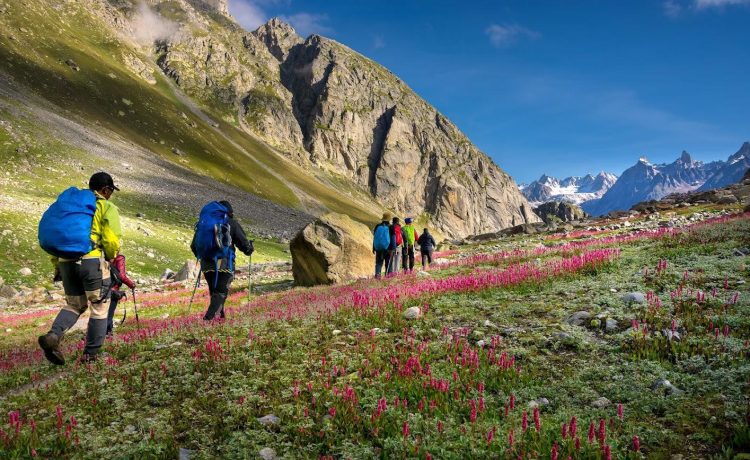
A destination is more than a place on a map. It represents an experience, a purpose, and often a personal journey. Whether someone travels for relaxation, adventure, culture, or professional reasons, selecting the right destination shapes the entire travel experience.
Understanding what defines a destination and how to choose one wisely helps travelers make meaningful and enjoyable decisions.
What Is a Destination
A destination refers to the final place a traveler intends to reach. It may be a city, country, natural location, cultural site, or recreational area visited for leisure, business, education, or exploration.
Destinations are commonly associated with:
- Tourism activities
- Cultural discovery
- Natural attractions
- Business travel
- Spiritual journeys
- Educational experiences
Every destination offers its own environment, traditions, attractions, and opportunities.
Importance of Choosing the Right Destination
Selecting the right destination improves both comfort and satisfaction during travel. A well-matched destination aligns with interests, expectations, budget, and time availability.
Key reasons destination selection matters include:
- Enhances overall travel enjoyment
- Saves time and travel costs
- Improves safety and convenience
- Provides meaningful cultural exposure
- Supports better planning and organization
Travelers who choose wisely often return with more memorable and fulfilling experiences.
Types of Travel Destinations
Travel destinations can be categorized based on purpose and environment.
Beach Destinations
Beach destinations are ideal for relaxation and recreation. These places offer scenic coastlines, water sports, and peaceful surroundings.
Popular features include:
- Sandy shores
- Clear water views
- Sunset experiences
- Resort accommodations
- Water activities like swimming and boating
They are suitable for families, couples, and solo travelers.
Mountain Destinations
Mountain destinations attract adventure seekers and nature lovers. They provide fresh air, scenic viewpoints, and trekking opportunities.
Travelers visit mountains for:
- Hiking and trekking
- Photography
- Snow experiences
- Camping activities
- Quiet natural surroundings
These destinations are especially popular during summer and winter seasons.
Cultural Destinations
Cultural destinations showcase heritage, architecture, traditions, and historical landmarks.
Visitors explore:
- Museums
- Ancient monuments
- Traditional festivals
- Local cuisine
- Art and craft centers
Such destinations help travelers understand regional identities and lifestyles.
Wildlife Destinations
Wildlife destinations focus on natural ecosystems and animal conservation areas.
They typically include:
- National parks
- Forest reserves
- Safari zones
- Bird watching locations
- Eco tourism experiences
Nature enthusiasts often prefer these locations for educational and environmental awareness purposes.
Factors to Consider Before Choosing a Destination
Selecting a destination requires thoughtful planning rather than random choice.
Budget
Travel costs vary depending on distance, accommodation, transportation, and activities. Setting a budget helps narrow down suitable destination options.
Climate and Season
Weather conditions influence comfort and safety. Some destinations are best visited during specific months.
Purpose of Travel
Travel goals determine destination suitability.
Examples include:
- Relaxation holidays
- Adventure travel
- Cultural exploration
- Business visits
- Educational tours
Matching purpose with destination improves satisfaction.
Accessibility
Transportation availability plays an important role in destination selection. Easy connectivity saves time and effort.
Safety Conditions
Travelers should consider local safety standards, health facilities, and travel advisories before finalizing a destination.
Benefits of Visiting New Destinations
Traveling to new destinations contributes to personal growth and learning experiences.
Major benefits include:
- Exposure to different cultures
- Improved confidence and independence
- Better stress management
- Enhanced creativity and perspective
- Opportunities to build global connections
Exploring unfamiliar places often strengthens adaptability and curiosity.
Popular Categories of Modern Travel Destinations
Travel preferences are evolving with changing lifestyles and interests.
Eco Tourism Destinations
These destinations promote environmental sustainability and responsible travel behavior.
Travelers participate in:
- Nature conservation awareness
- Community based tourism
- Forest exploration
- Wildlife protection programs
Luxury Destinations
Luxury destinations focus on comfort and premium experiences.
Common features include:
- High quality resorts
- Personalized services
- Fine dining
- Exclusive activities
Solo Travel Destinations
Solo destinations are suitable for independent travelers seeking flexibility and self discovery.
They usually offer:
- Safe environments
- Easy navigation
- Friendly local communities
- Budget accommodation options
Spiritual Destinations
Spiritual destinations provide peaceful environments for reflection and personal growth.
Visitors engage in:
- Meditation practices
- Pilgrimage journeys
- Cultural rituals
- Temple visits
How Technology Helps in Choosing the Right Destination
Modern technology simplifies destination planning significantly.
Travelers now rely on:
- Online maps
- Travel blogs
- Booking platforms
- Weather forecasts
- Virtual destination previews
These tools help compare locations before making decisions.
Conclusion
A destination represents the heart of any travel experience. Choosing the right one requires understanding personal interests, budget limitations, seasonal conditions, and travel goals. Whether the purpose is relaxation, adventure, learning, or exploration, selecting a suitable destination ensures meaningful and memorable journeys.
Thoughtful destination planning transforms travel from a routine trip into a rewarding life experience.
Frequently Asked Questions About Destinations
What makes a destination attractive for travelers
Attractive destinations usually offer unique scenery, cultural experiences, safe environments, accessible transportation, and comfortable accommodation options.
How early should a destination be planned before travel
Planning ideally begins several weeks or months in advance depending on distance, season, and travel purpose.
Are international destinations always better than local destinations
Local destinations can be equally rewarding because they often provide cultural familiarity, lower costs, and easier accessibility.
How does season affect destination choice
Season influences weather conditions, crowd levels, activity availability, and travel expenses, making it an important planning factor.
Can a destination support both leisure and business travel
Many modern destinations offer infrastructure that supports tourism as well as professional travel needs.
Why do travelers research destinations before visiting
Research helps understand safety conditions, accommodation availability, transportation options, and cultural expectations.
What role does local culture play in destination experience
Local culture enhances travel experiences by providing authentic food, traditions, architecture, festivals, and interaction with communities.