

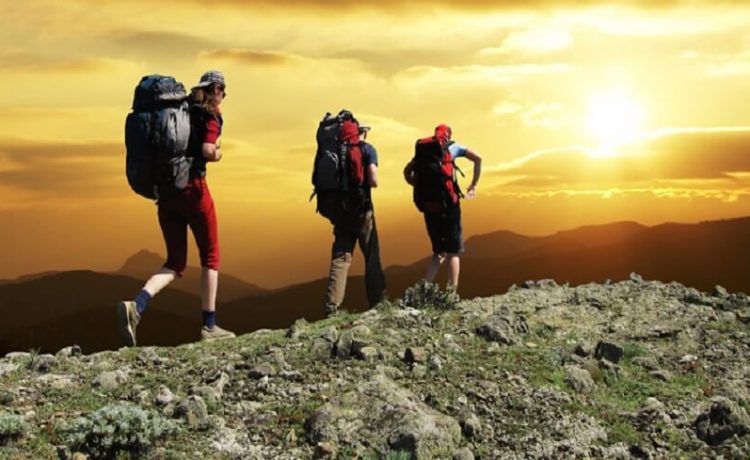
Adventure represents the human desire to explore beyond routine experiences and discover unfamiliar environments, challenges, and perspectives. It is not limited to extreme activities or distant travel. Adventure can begin with a simple step outside one’s comfort zone and grow into life changing journeys filled with learning and discovery.
Whether it involves trekking across mountains, exploring new cultures, or trying something unfamiliar for the first time, adventure strengthens confidence and expands understanding of the world.
What Is Adventure
Adventure refers to experiences that involve exploration, uncertainty, challenge, and personal growth. It usually includes situations where individuals face new environments or activities that encourage learning through direct involvement.
Adventure can take many forms such as
- traveling to unfamiliar destinations
- engaging in outdoor activities
- learning new survival or navigation skills
- meeting people from different cultures
- exploring natural landscapes
At its heart, adventure encourages curiosity and courage.
Types of Adventure Experiences
Adventure experiences vary widely depending on interests, location, and physical ability. Understanding different types helps individuals choose activities that suit their comfort level.
Outdoor Adventure
Outdoor adventure focuses on activities in natural environments that require physical movement and environmental awareness.
Examples include
- trekking and hiking
- river rafting
- rock climbing
- camping in forests or deserts
- wildlife exploration
These activities strengthen endurance and improve connection with nature.
Travel Adventure
Travel adventure involves discovering new regions and experiencing unfamiliar traditions and lifestyles.
Examples include
- backpacking across regions
- visiting remote villages
- exploring coastal landscapes
- desert exploration journeys
- scenic road trips
Travel adventure builds cultural awareness and adaptability.
Cultural Adventure
Cultural adventure centers on learning from traditions, communities, and heritage experiences.
Examples include
- participating in local festivals
- exploring traditional settlements
- tasting regional cuisine
- learning regional crafts or languages
These experiences deepen appreciation for diversity.
Personal Adventure
Personal adventure involves stepping beyond emotional or psychological boundaries rather than physical ones.
Examples include
- solo travel experiences
- public speaking challenges
- learning unfamiliar skills
- relocating to a new place independently
Personal adventures develop resilience and independence.
Benefits of Adventure in Everyday Life
Adventure contributes positively to both physical health and mental clarity. It encourages individuals to discover hidden strengths and build lasting confidence.
Builds Confidence and Self Trust
Facing unfamiliar challenges improves decision making abilities and strengthens belief in personal capabilities.
Improves Physical Health
Activities such as trekking, cycling, and climbing enhance stamina, flexibility, and overall fitness.
Reduces Stress Levels
Natural surroundings help refresh the mind and reduce daily pressure caused by routine responsibilities.
Encourages Creative Thinking
Exposure to new places and situations improves imagination and problem solving skills.
Strengthens Relationships
Shared adventure experiences create strong bonds between friends, families, and travel companions.
Develops Adaptability
Unexpected situations during adventure activities teach individuals how to respond calmly and effectively.
Essential Skills Needed for Adventure Activities
Preparation improves both safety and enjoyment during adventurous experiences. Developing certain skills can make journeys smoother and more rewarding.
Important skills include
- navigation awareness
- communication abilities
- physical preparation
- understanding weather conditions
- basic emergency response knowledge
These skills support safe exploration in unfamiliar environments.
How to Begin Your First Adventure Journey
Starting an adventure does not require extreme planning or expensive equipment. Simple steps can help individuals begin confidently.
Select a Suitable Activity
Choose an activity that matches your comfort level and experience. Beginners often benefit from guided or short duration experiences.
Prepare Essential Equipment
Carry useful items such as
- comfortable clothing
- water and energy snacks
- navigation support tools
- weather appropriate gear
- emergency contact information
Thoughtful preparation prevents unnecessary difficulties.
Learn About the Destination
Understanding local geography, climate conditions, and safety guidelines improves confidence during travel.
Stay Physically Prepared
Light fitness routines before adventure activities help maintain energy levels during exploration.
Respect Nature and Communities
Responsible behavior ensures sustainable travel and preserves natural environments for future visitors.
Adventure as a Tool for Personal Growth
Adventure encourages individuals to observe the world differently. It challenges assumptions and introduces lessons that everyday routines rarely provide.
Through adventure, people often develop
- patience during uncertainty
- confidence in decision making
- appreciation for nature
- cultural understanding
- resilience in unfamiliar conditions
These qualities remain valuable long after the journey ends.
Popular Adventure Activities to Try
Many adventure experiences are suitable for beginners and experienced travelers alike.
Common choices include
- trekking through mountain trails
- camping in natural landscapes
- river rafting experiences
- wildlife exploration tours
- cycling through scenic routes
- desert exploration journeys
Choosing activities aligned with personal interests increases enjoyment and confidence.
Safety Tips for Responsible Adventure Travel
Safety preparation plays an important role in ensuring positive adventure experiences.
Helpful practices include
- informing someone about travel plans
- checking weather forecasts before departure
- carrying essential safety equipment
- avoiding unnecessary risks
- following guidance from experienced instructors
Responsible travel protects both individuals and the environment.
Frequently Asked Questions About Adventure
What qualities make a person adventurous
Curiosity, openness to learning, willingness to face uncertainty, and confidence in adapting to new situations are key qualities that define an adventurous mindset.
Can adventure experiences improve communication skills
Yes. Adventure often involves teamwork, interaction with new communities, and cooperation in unfamiliar environments, which naturally strengthens communication abilities.
Is adventure travel expensive to begin with
Many adventure activities such as hiking, cycling, and short nature trips can be started with minimal cost and basic preparation.
How can families participate in adventure activities together
Families can choose safe activities such as nature walks, camping trips, cultural exploration visits, and guided outdoor experiences suitable for all age groups.
What role does planning play in successful adventure experiences
Planning helps manage time, safety arrangements, equipment needs, and travel logistics, making journeys smoother and more enjoyable.
Are adventure experiences suitable for students
Students benefit greatly from adventure activities because they encourage independence, confidence building, and exposure to new learning environments.
How does adventure help people understand nature better
Adventure experiences create direct interaction with natural environments, helping individuals appreciate ecosystems, landscapes, and the importance of environmental conservation.
