

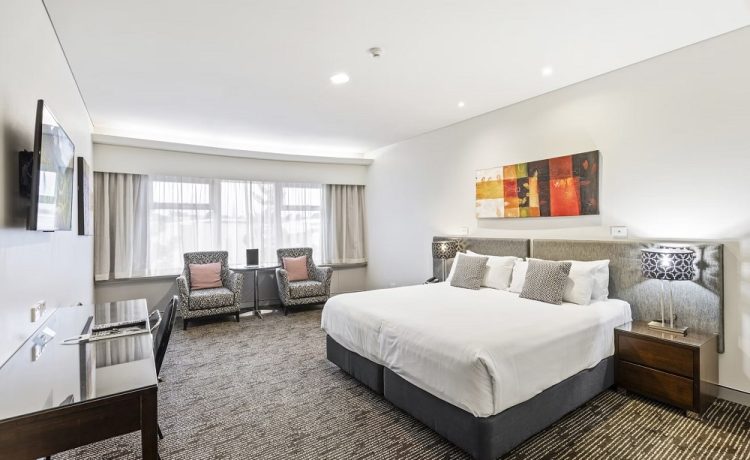
Accommodation plays a central role in travel, relocation, education, and work-related mobility. It refers to any place where individuals temporarily or permanently stay for rest, safety, and daily living needs. From luxury resorts to budget hostels and serviced apartments, accommodation options vary widely depending on comfort level, duration of stay, and financial capacity.
Understanding different accommodation types and their features helps individuals make practical and informed decisions suited to their specific requirements.
What Is Accommodation
Accommodation refers to a place where people stay during travel, study, work assignments, or relocation. It can be temporary or long term and may include facilities such as sleeping areas, sanitation, meals, and basic utilities.
Accommodation is broadly categorized based on:
- Duration of stay
- Level of comfort
- Budget range
- Purpose of visit
- Availability of services
Choosing the right accommodation enhances safety, productivity, and overall travel or living experience.
Types of Accommodation
Accommodation options differ depending on traveler needs and lifestyle preferences. Below are the most common categories.
Hotels
Hotels are the most widely used accommodation facilities. They provide private rooms with essential services such as housekeeping, reception support, and food options.
Key features include:
- Private bathrooms
- Room service
- Security assistance
- Daily cleaning services
- On-site restaurants in many cases
Hotels range from budget to premium categories.
Hostels
Hostels are affordable accommodation options mainly used by students, backpackers, and solo travelers.
Typical characteristics:
- Shared rooms
- Shared bathrooms
- Common kitchen facilities
- Social interaction spaces
- Lower cost compared to hotels
They are ideal for short stays and limited budgets.
Serviced Apartments
Serviced apartments combine the comfort of home with hotel-like services. They are suitable for families and professionals staying for longer durations.
Common facilities include:
- Fully furnished living spaces
- Kitchen access
- Laundry facilities
- Housekeeping services
- Flexible rental duration
These accommodations are popular for business travel and relocation periods.
Homestays
Homestays allow guests to stay with local families. They provide cultural exposure and a more personalized experience.
Benefits include:
- Local cultural interaction
- Home-cooked meals in many cases
- Comfortable residential environment
- Budget-friendly pricing
Homestays are especially popular among students and international visitors.
Resorts
Resorts offer accommodation along with recreational facilities. They are usually located near beaches, mountains, forests, or scenic areas.
Facilities often include:
- Swimming pools
- Wellness centers
- Guided activities
- Entertainment programs
- Dining services
They are designed primarily for relaxation and leisure travel.
Factors to Consider When Choosing Accommodation
Selecting suitable accommodation requires careful evaluation of several practical aspects.
Location
Accommodation should be close to:
- Transport facilities
- Workplaces or educational institutions
- Tourist attractions
- Hospitals and emergency services
Convenient location reduces travel time and costs.
Budget
Cost plays a significant role in accommodation decisions. It is important to balance affordability with comfort and safety.
Budget planning should include:
- Room charges
- Food expenses
- Transportation costs
- Utility charges if applicable
Safety and Security
Reliable accommodation ensures:
- Secure entry systems
- Emergency support services
- Safe neighborhood surroundings
- Proper lighting and surveillance
Safety is especially important for solo travelers and families.
Facilities and Services
Basic facilities improve comfort during the stay. These may include:
- Internet connectivity
- Air conditioning or heating
- Laundry services
- Kitchen access
- Parking availability
The required facilities depend on the duration and purpose of stay.
Reviews and Ratings
Online reviews provide useful insight into service quality. Checking feedback from previous guests helps avoid inconvenience.
Accommodation for Different Travel Purposes
Accommodation needs vary depending on the reason for travel.
Business Travel
Professionals prefer accommodation with:
- High-speed internet
- Quiet working space
- Conference facilities
- Easy transport access
Serviced apartments and business hotels are commonly selected.
Educational Stay
Students often choose:
- Hostels
- Shared apartments
- University dormitories
- Homestays
These options reduce living expenses and encourage community interaction.
Family Vacations
Families generally prefer:
- Resorts
- Apartments
- Family suites in hotels
These provide privacy and space for multiple occupants.
Solo Travel
Solo travelers usually prioritize:
- Safety
- Affordability
- Accessibility
Hostels and budget hotels are commonly preferred.
Benefits of Choosing the Right Accommodation
Selecting appropriate accommodation improves both comfort and productivity.
Major advantages include:
- Better rest and relaxation
- Increased travel efficiency
- Improved safety
- Enhanced travel experience
- Reduced unexpected expenses
Well-planned accommodation contributes significantly to successful travel or relocation.
Accommodation Booking Tips
Careful planning helps secure reliable accommodation at reasonable prices.
Useful tips include:
- Book early during peak seasons
- Compare multiple platforms before booking
- Verify cancellation policies
- Check included facilities
- Confirm check-in and check-out timings
Advance preparation minimizes inconvenience during travel.
Frequently Asked Questions
What is the difference between accommodation and lodging
Accommodation refers broadly to any place where a person stays temporarily or permanently, while lodging usually refers to short-term stays such as hotels or guesthouses.
Which accommodation type is best for long-term stays
Serviced apartments and rental flats are generally the most suitable options for long-term stays because they provide home-like facilities.
Is hostel accommodation safe for travelers
Most hostels are safe when they have secure lockers, controlled entry systems, and positive guest reviews.
How far in advance should accommodation be booked
Booking two to four weeks in advance is recommended for regular travel, while peak seasons may require earlier reservations.
Are homestays cheaper than hotels
Homestays are often more affordable than hotels and may also include meals and local support.
What documents are required during accommodation check-in
Guests are usually required to present valid identity proof such as a passport, national identity card, or driver license depending on the location.
Can accommodation prices change after booking
Prices generally remain fixed after confirmation unless additional services are requested or booking conditions are modified.


