
Luxury residential design in Thailand has evolved noticeably over the past decade. While earlier developments often focused on size and ornamentation, newer villas place greater emphasis on livability, climate awareness, and long-term comfort. This shift reflects how owners now use these properties, not only as holiday homes but also as extended residences and remote working spaces.
A modern duplex pool villa Thailand reflects many of the design choices that have become common in high-end developments. These villas are no longer just about visual impact. They are designed to manage heat, maximize usable space, and create a sense of privacy even when multiple occupants share the property.
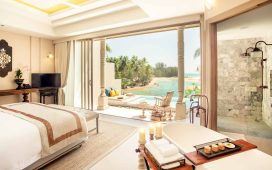
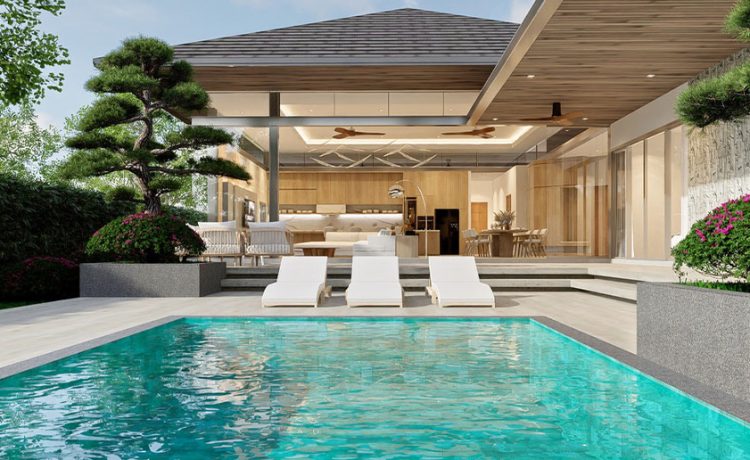
One of the most visible trends is the move toward clean architectural lines and open layouts. Large glass panels, sliding doors, and double-height ceilings allow natural light to flow through the space while maintaining a strong connection between indoor and outdoor areas. This approach suits Thailand’s climate, where outdoor living is possible year-round.
Materials have also shifted. Natural stone, textured concrete, wood accents, and neutral color palettes are favored over decorative finishes. These materials age better in humid conditions and reduce the need for constant maintenance. At the same time, they help villas feel grounded in their surroundings rather than visually dominant.
Designers increasingly focus on how space is used rather than how much of it exists. Duplex layouts are becoming more common because they separate private and shared areas more effectively. Bedrooms are often placed on upper levels, while living and dining areas remain open and accessible below. This layout works well for families, groups, or owners who host guests regularly.
Key architectural priorities seen across newer luxury villas include:
- Strong separation between private and communal spaces
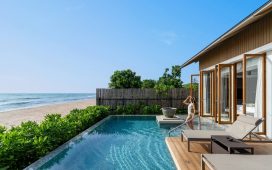
- Pool placement that enhances airflow and visual openness
- Floor plans designed for cross-ventilation and shade
- Integrated outdoor areas that function as living space
Sustainability now plays a larger role in design decisions. While not always marketed directly, features such as energy-efficient lighting, insulated walls, and water-saving systems are increasingly standard. These elements help control long-term operating costs while improving comfort during hot seasons.
Privacy is another major consideration. High-end villas are designed to feel secluded without being isolated. Courtyard layouts, internal gardens, and strategically placed walls or screens allow residents to enjoy open spaces without exposure to neighboring properties.
Technology has become more discreet but more integrated. Smart lighting, climate control, and security systems are often built into the structure rather than added later. This allows the villa to remain visually minimal while still offering modern functionality.
Overall, luxury villa architecture in Thailand is moving toward designs that support daily living rather than occasional use. The focus is on comfort, efficiency, and adaptability, with layouts and materials chosen to suit the climate, lifestyle, and long-term needs of residents rather than short-term visual impact alone.