
Large green lung of Bangkok refers to the large green space which connects Lumpini and Benjakitti park, spanning over 700 rai. Here there are many parks and open spaces scattered throughout this space. These areas play a crucial role in supporting physical and mental health. They offer residents a break from concrete and traffic, allowing them to breathe fresher air and relax under the shade of trees.
Time spent in nature has been linked to reduced stress and improved mood. Walking, jogging, or practising tai chi in a park helps the body and mind unwind. Families bring children to playgrounds to run and play, while older adults gather for exercise or conversation.
Aside from recreation, parks provide environmental benefits. Trees and plants help filter pollutants and reduce heat, making cities more livable. They also support urban wildlife, creating habitats for birds and insects.
Benefits of urban parks
- Places for exercise and outdoor activities.
- Spaces for community events and socialising.
- Natural cooling and improved air quality.
- Habitat for local flora and fauna.
- Educational opportunities about ecology and conservation.
Cities that invest in green spaces tend to have healthier and happier residents. By protecting and expanding parks, urban planners support the wellbeing of communities now and in the future.
Educational programmes in parks teach visitors about local flora and fauna, as well as concepts such as composting and recycling. Nature guides and signage provide information that encourages respect for the environment and fosters a sense of responsibility.
Volunteering opportunities connect people to green spaces. Activities like tree planting, litter picking, and gardening bring residents together and foster a sense of stewardship. Working outdoors contributes to physical activity and social connection, making parks centres of community engagement.
Parks provide spaces for mental health initiatives. Group meditation sessions, community support circles, or art therapy classes held in natural settings can be particularly effective in reducing stress and promoting mindfulness. Spending time under trees and open skies helps relieve tension.
Cultural events such as concerts, theatre performances, and festivals often take place in parks. These gatherings celebrate local creativity and diversity, offering free or low-cost entertainment while bringing people together. Attending these events builds community bonds and supports local artists.
Ensuring that parks are accessible to all, including people with disabilities, requires thoughtful design. Smooth pathways, ramps, and accessible restrooms make green spaces welcoming to everyone, reinforcing the park’s role as a unifying community resource. Additionally, promoting mental health awareness through park programmes further enhances their impact, making parks major contributors to overall wellbeing.
Schools often use parks as outdoor classrooms, and year round programming keeps these green spaces lively across seasons. These activities encourage a love of nature and create memories that span generations.
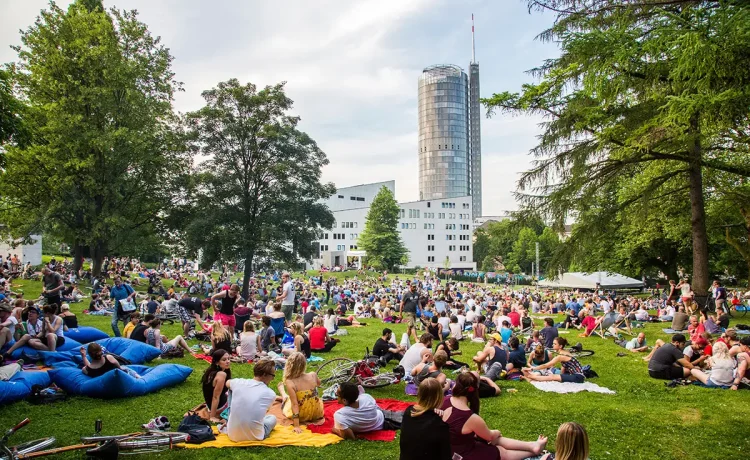
Community picnics encourage neighbours to share food and stories, deepening social bonds and making parks vibrant gathering places.